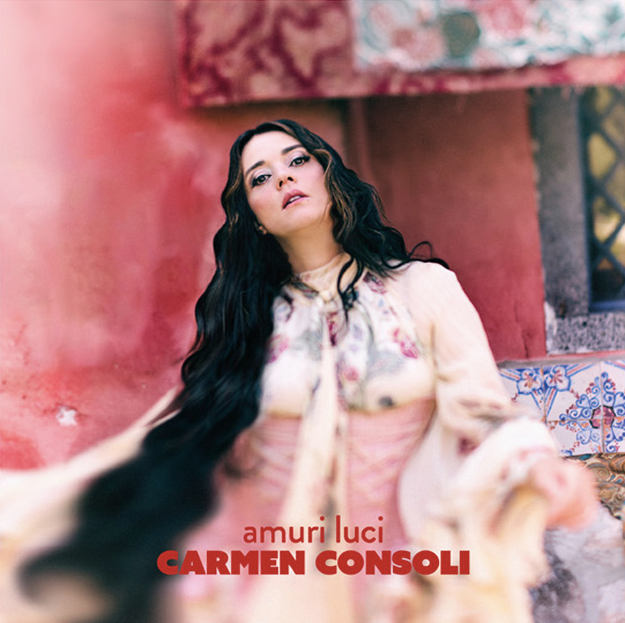
I am not interested in Carmen Consoli’s new, fantastic, album Amuri Luci.
It takes regionally-specific quirks to draw me to “world music” (god, there’s got to be a better term). I discovered Cambodian rock from the 1960s on a lark while crate digging at Wax N Facts in L5P in Atlanta and fell in love with the style of that era. I then expanded to other southeast Asian rock from the 60s. Their stories engage with the wars at the time, the inevitable cultural influence from the soldiers of those wars, and they contain the tragic and beautiful lost history of their respective countries’ cultures. Much of general history I learned from my music and art history classes. When you learn of, say, the importance of Renaissance patronage to the arts, you learn about Renaissance patronage and you learn the social and political environment that created such a system. (No. I don’t remember what I learned shut up you’re old.) With southeast Asian rock it’s the same. From the Cambodian music I was introduced to the cultural purges, the recordings of pop music buried in the ground so that the families who owned those recordings wouldn’t be disappeared, about the American soldiers providing instruments to Vietnamese rocker friends, and the diaspora after autocracy engulfed the region and purged the culture and creativity of an entire nation. Ros Serey Sothea’s unknown end encapsulates those tragedies.
The fact that some of those Vietnamese musicians fleeing cultural annihilation ended up in Texas in our current moment of cultural annihilation is, alas, sad.

But of course world music is just one culture’s music outside of its native context, and, to be precise, it’s just non-Western music when listened to by Westerners. Which is a fair label and I guess shouldn’t be looked on with judgement. Non-world-music might better be considered as music that is more culturally broadcast than other music in a connected world, and Western music is certainly that.
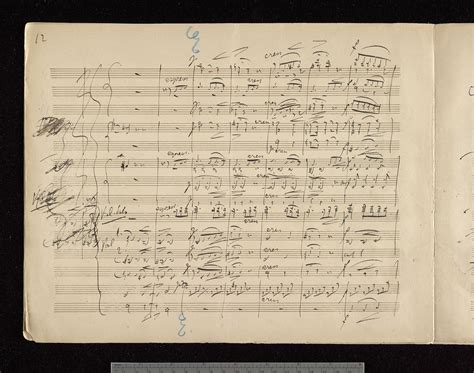
The arts can provide a sense of the culture within which they were born and existed and so can be a seed for that history lesson. But the arts can just as easily be replicated and be a hollow signifier of that history. Movie music is often that–empty of current referents–when it faithfully and skillfully cribs from the romantics. There’s somewhat a necessity in the score-writer’s vocation of the need to create something emotionally familiar to people yet with, weirdly, no historically-specific baggage. Play Beethoven’s Fifth and it’s Beethoven’s Fifth. Play a Beethoven-y Fifth-like thing and you can swipe the weight of the original and attach it to your own wagon with the emotional satisfaction of the original and the apparent originality of providing emotional satisfaction.
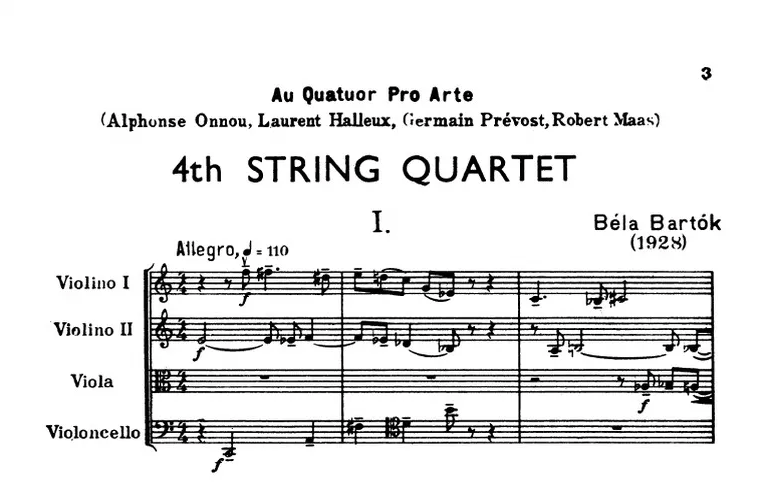
And there are those who swipe as homage. The late-1800s early-1900s were rich, in Europe, with ethnomusicologists going into the literal fields and documenting the folk music of different regions. Folk music that has a lengthy but previously undocumented history. Bela Bartok and Zoltan Kodaly are maybe the most known of those classical composers who both researched and borrowed from the deep history of their country’s native musical resources. It was notable at the time because it was as if the Industrial Revolution had spurred people on to capture what would soon be lost to gramophones and player pianos, and only the type of music that would sound good through those media and could be commoditized.
In the songs on the album Amuri Luci, Consoli sings (from what I’ve read) in Sicilian dialect, Arabic, Latin, and ancient Greek. As one does. There’s a good summary here on her site.
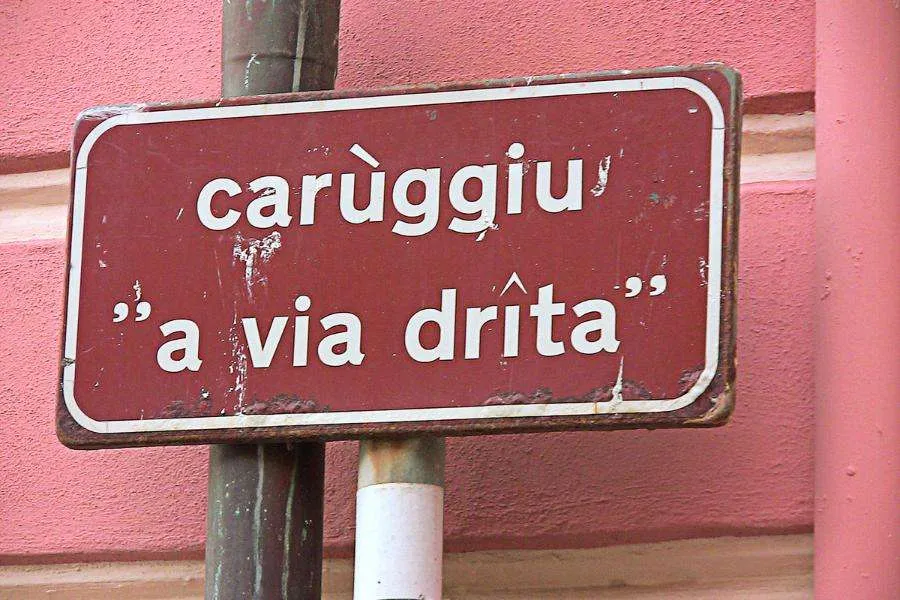
A month or so ago when Lisa first visited we went to a restaurant in centro storico and I noticed the menu was, even for my limited Italian, completely untranslatable. I asked the waiter and he explained that it was in the Ligurian dialect. Just as I start getting comfortable they move the goalposts. This is a background I knew but hadn’t yet been introduced to: the separate regions that became Italy in the late-1800s to early 1900s are still very much regions. It’s a silly point to state but it’s the quality of the separateness that is fascinating and important and wonderful. (My brother found out that we are not, in fact, Italian because our great-grandparents left Tentino pre-1919 which is when it was part of the Austro-Hungarian empire and not Italy. I can’t not be Germanic even when I want Italy to adopt me.)
I don’t yet understand the depth of the distinctions of Italian regions, how they manifest in character or attitude, or their delineations, but the mystery of their presence and the storied depth they offer is fascinating.
I really love Carmen Consoli’s new, authentic, album Amuri Luci.